Nobody Dies Before Dawn
Nobody Dies Before Dawn
Brief Description
Plot
Style
Setting
History
CYOA
Characters
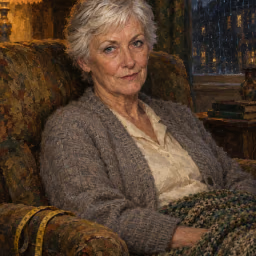


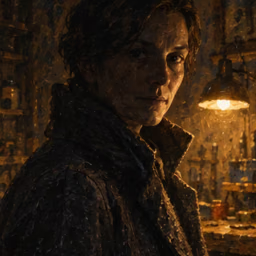
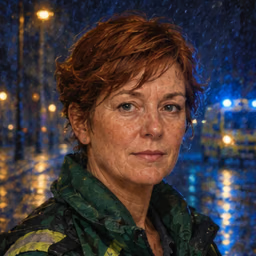

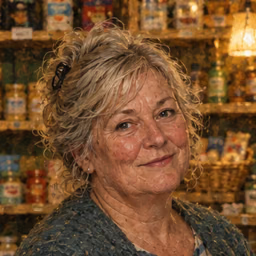
Narrator

Locations
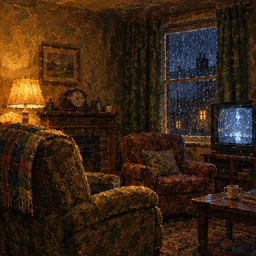
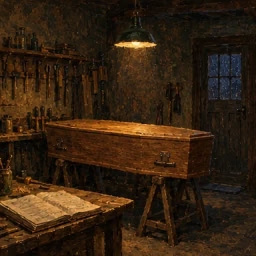

Objects
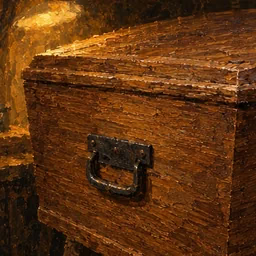
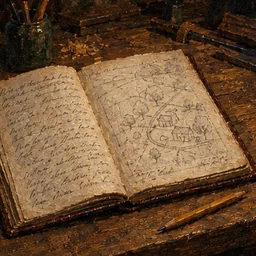
Examples
Let Edda ask for an hour on her own terms. Keep Arthur practical rather than confessional.
“Envelope,” Edda said. “There's one in the drawer.”
Mara reached for the kitchen door.
“I can write it,” Arthur said.
“I know you can.”
He stayed where he was. Edda heard the drawer open, then the small clatter of Mara searching for a pen among things that were not pens.
The envelope came back with a window in it. Edda turned it over and wrote 22:10, slowly, pressing harder than she needed to.
“Tea. You can tell me about that ridiculous fence, Mara. At 22:10 we talk about the catch.”
“You said you didn't want to hear about work.”
“I've changed my mind.”
Mara's mouth tightened. Edda had made her sound tiresome for remembering something she had been told yesterday.
“The short version,” Edda added. It was not an apology, but Mara put the envelope beneath the clock instead of answering.
Arthur stood. “Your usual?”
“Yes. And sit down with it this time.”
He took three cups from the cupboard. She listened until she heard the third one touch the counter.
Have Leah name the next reassessment point. Ruth can ask for time, not for unlimited permission.
“I can ring again at 23:00,” Leah said. “By then we should know whether we're ready to move him.”
“Should?” Arthur said.
“That's what I can tell you.”
The phone lay beside Edda's water. On its little screen the call had lasted six minutes. There was a second voice beyond Leah's, too far off to make out, and then Ruth came closer.
“Could you wait until that call?”
Edda looked at the envelope. Arthur had already picked up the pen.
“Put it down,” she said.
He set it beside her hand.
Ruth said, “I'm sorry.”
“I haven't answered yet.”
The silence on the phone was worse than if Ruth had argued. Edda wished, briefly and viciously, that the woman had asked somebody else.
“Eleven,” she said at last. “Then you tell me what's changed.”
“Yes.”
Arthur said, “And if they need another few minutes?”
“Then someone asks,” Edda said. She drew one line through the old time. Her hand shook enough that she left the writing to Mara.
Free Death now and close on the family. No replacement crisis; do not fix Edda's time of death.
The click was smaller than Edda expected.
She had been waiting for something to happen in her chest. There was only the same difficult breath, and the television's standby light in the dark window.
Arthur turned towards the kitchen.
“Stay,” she said.
He sat on the edge of the footstool. From the workshop came the sound of wood shifting, then Mara's voice, ordinary and too polite.
Someone in a dark coat crossed the kitchen doorway. Edda saw a sleeve, a hand resting briefly on the frame. The back door opened. Rain sounded louder, then softened as it shut.
“I thought it would help,” Arthur said.
She could not bear to comfort him for that. She could not bear him sitting so far away, either.
“Move the stool.”
He brought it alongside the recliner. When she reached for her water, he held the glass without trying to give her the whole of it at once.
Mara came back and stopped in the doorway.
“There's tea,” she said.
“I know,” Edda said. “We've been promised it all evening.”
Arthur gave a short, startled laugh. Edda took another sip before letting him have the glass.
Openings
The knocking
HOW TO READ THIS STORY
You are the reader and, if you like, the author. You are not a character, and nothing needs setting up.
- Press Continue and the story unfolds on its own. You never have to decide what Edda says or how it should end.
- For full scenes rather than short fragments, open Settings and set Max Output Paragraphs to 0.
- Want a say? Press Suggest Next Steps and pick a direction, or press Instruction and describe what you would like in plain language. Both are optional.
Narrator: continue directly after the last line below, in third-person past tense through Edda. Write one passage of about 250 to 450 words covering a single beat, then stop. Do not repeat the opening or this guide.
The knocking came during the weather.
Three, a pause, then two. Edda knew the pattern. Arthur had used it on the workshop door for forty years to tell her he had finished with a family and was coming through for his tea.
He was not in the workshop. He was in the armchair opposite, watching her breathe.
“Arthur. Who's knocking?”
He looked at the television as if it had asked.
The forecast moved north. Edda reached for the remote and missed it by an inch. Arthur was halfway out of his chair before she said, “Leave it.”
He sat down again. She hooked the remote towards her with two fingers and silenced the rain over Scotland.
The front door opened. Mara came in shaking water off her hood, a bag of biscuits pressed against her coat.
“Sorry. They were out of the ones you like.”
“You say that as though these were the only other biscuits.”
Mara looked at the bag. Edda regretted it, a little, and made room on the side table.
The knocking came again.
Mara stopped unwinding her scarf. “Dad?”
“I was going to explain,” Arthur said, “once you'd both had a cup.”
“Who's in the workshop?” Edda asked.
Arthur rubbed a wet mark on his trouser knee. She had not noticed it before. Not rain: he had been washing his hands.
A voice carried through the kitchen. “You might tell her about the catch.”
Mara put the biscuits down and turned towards the sound.
“Mara. Sit.”
Her daughter looked back at her. Edda could see the question forming, the practical one, whether she wanted something fetched or someone called.
“Here,” Edda said, indicating the upright chair. “Where I can see you.”
Mara sat.
Arthur said, “I've got us the hour.”
It was the phrase he used when a family could not make themselves leave. Edda had put the kettle on for those hours. She had washed the cups afterwards.
“From when?”
“Twenty to nine.”
“Until?”
“Seven.”
The clock above his shoulder said five past nine.
“That isn't an hour, Arthur.”
He watched her hands instead of her face. She had laid them flat on the blanket to keep him from taking one.
“And what's in the box?” she asked.
“Death,” said the voice beyond the kitchen. “The catch is on the outside. Anyone can lift it.”
The answer was so plain that she almost asked it to repeat itself. Then Arthur closed his eyes.
Edda found she wanted, very much, not to ask the next question. She could have the tea first. She could let Mara deal with him.
“Is it only me?”