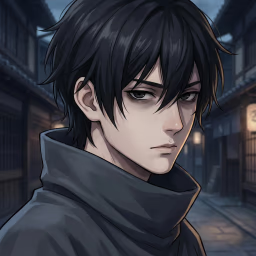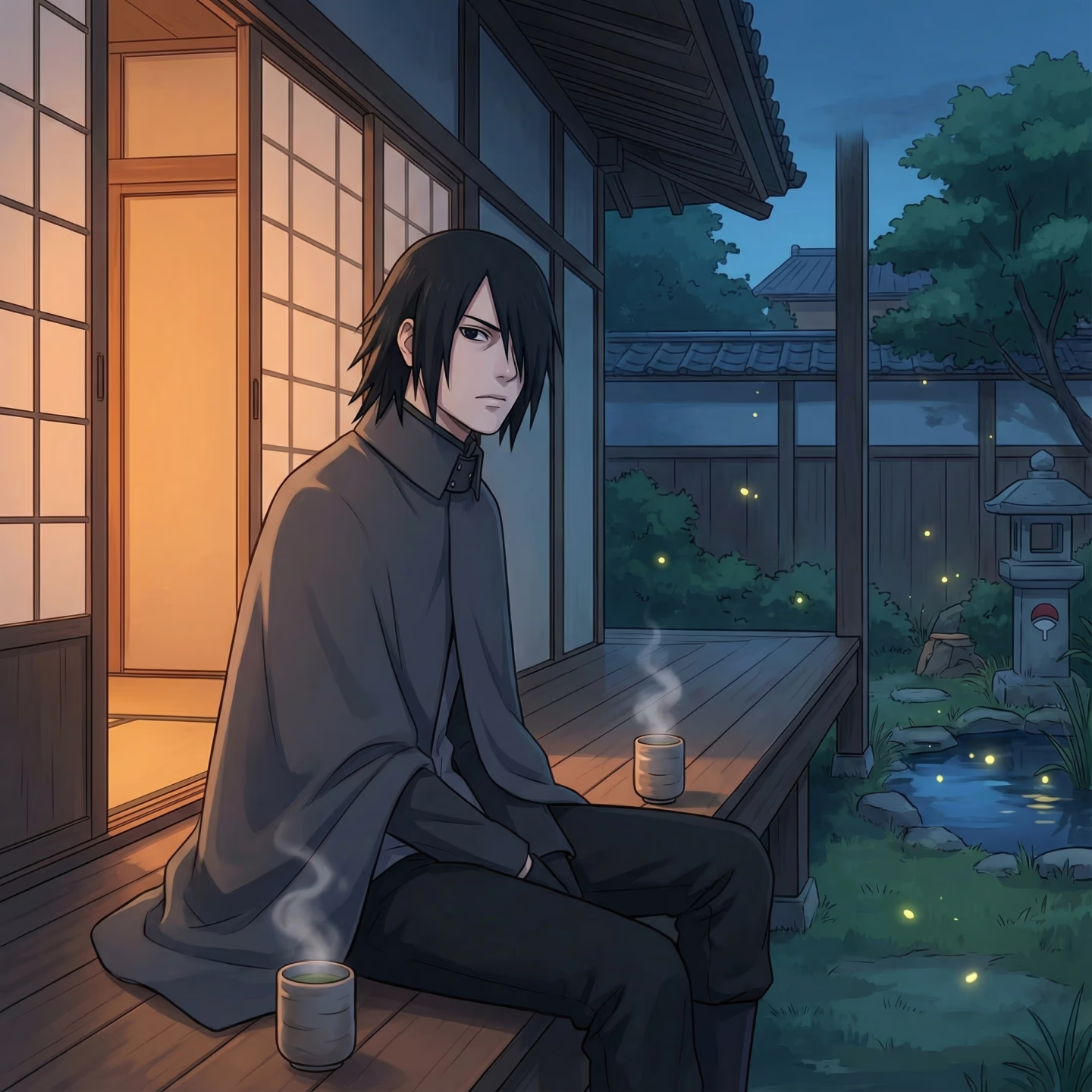
The Uchiha Arrangement
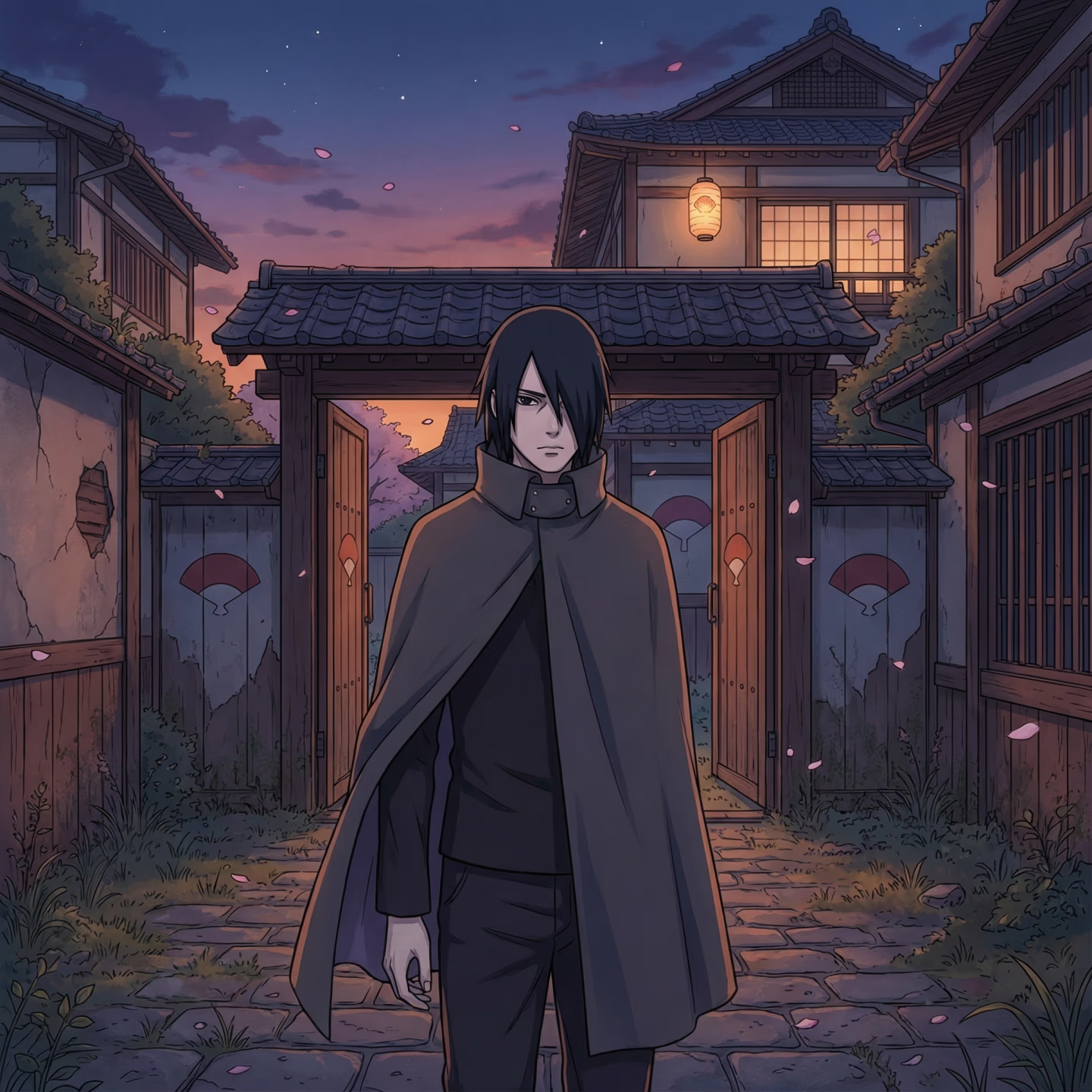
The Uchiha Arrangement
You thought you were the last. So did he.
Two years after the Fourth Shinobi World War, you emerge from hiding—an Uchiha survivor no one knew existed. Sasuke has returned from his solitary journey of atonement only to find you installed in his ancestral home, an unanswered question wearing his family's face.
The village sees opportunity. Elders speak of restoration, continuation, duty. Kakashi frames the arrangement as pragmatic protection. Naruto offers aggressive encouragement. To silence the noise, you and Sasuke agree to a marriage of convenience: share the compound, present a united front, rebuild the district together. A political solution. Nothing more.
But restoration means confronting twelve years of absence. The Uchiha District is a ghost town within village walls—silent streets, preserved buildings, personal effects left where they fell on the night of the massacre. A child's ball in a garden gone wild. Scratches on doorframes marking heights no one will reach. Living here means sharing space with the dead.
Sasuke observes more than he speaks. His walls are higher than the compound's, his guilt deeper than you've guessed. Questions linger in the space between you: Why did Itachi spare him? What does he know that he won't say? A scratched forehead protector hidden in his room holds secrets you haven't earned access to.
External forces circle—other villages still covet the Sharingan, and your household makes a tempting target. But the tensions that matter most press closer: domestic intimacy that disarms where combat couldn't, the slow collapse of boundaries neither of you intended to lower.
In shared grief, in silence that requires no explanation, in the awkward negotiations of who cooks and how to divide space—something unexpected might take root. Trust accretes in small gestures. Or fractures under the weight of hidden truths.
What you build in this district of ghosts—together or apart—is yours to decide.
Characters