Roots of the Divine
Roots of the Divine
Roots of the Divine
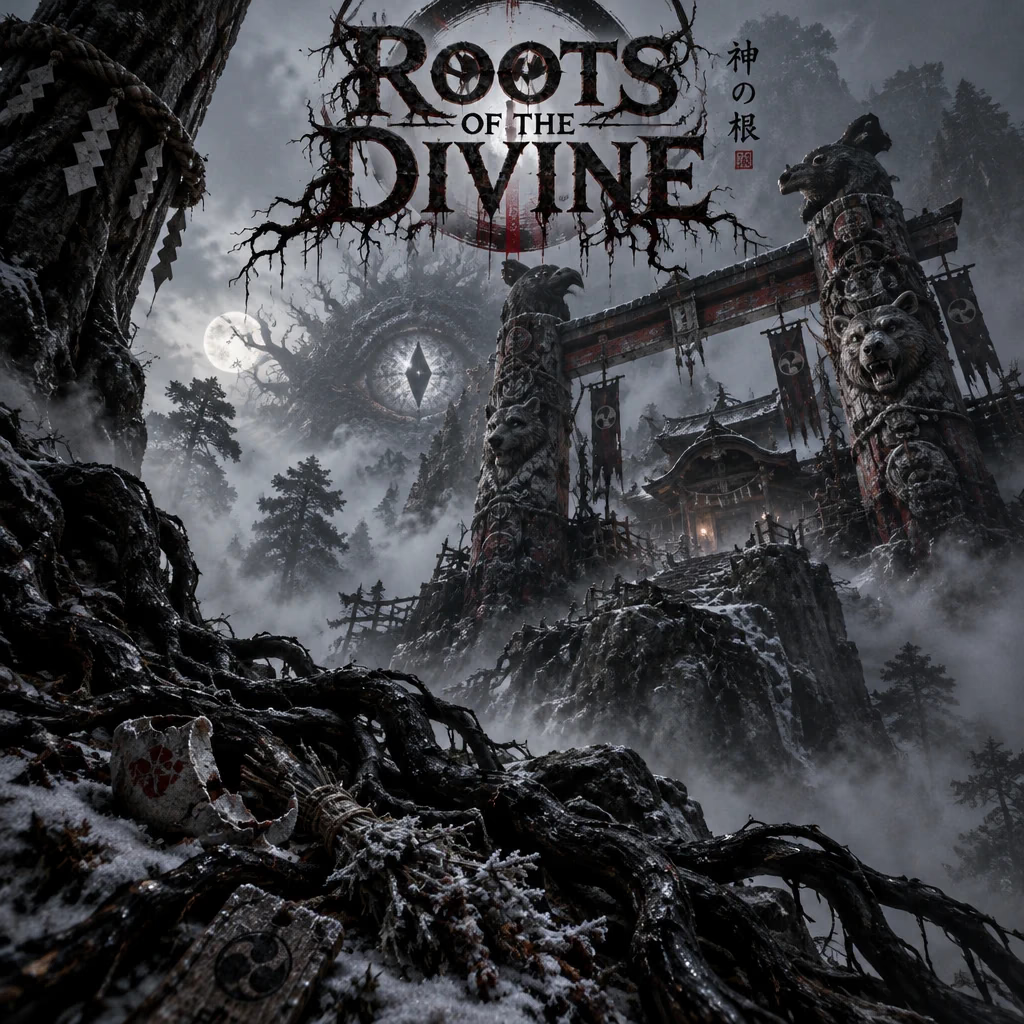
A deity simulation set in a hybrid spiritual landscape of Edo-period Japan. You are a newly awakened deity bound to a weathered rural shrine, tasked with the protection and management of a small mountain village. Balance the needs of your worshippers through a structured prayer system, grow your divine influence through shrine upgrades, and engage in a constant battle against kegare — a spiritual pollution born of human violence and rage that births formless black spirits and transforms desperate humans into Windigo. Navigate the tension between the sacred and the corrupted as you decide whether to be a benevolent guardian, a distant observer, or a demanding god.
Core Features:
-
3-Phase Character Creator: Establish your divine presence through a structured boot-up process. Phase 1 generates your Deity (domain, tenets, and manifestation form), Phase 2 generates your Shrine (physical state, sacred features, and terrain), and Phase 3 generates your Village Identity and first three key villagers. Use /Create during any phase for AI-guided generation or define your own details.
-
Prayer Queue and Faith Economy: Every turn begins with a structured prayer queue listing villager needs, urgency, and offerings. Resolve these through miracles or indirect influence to earn Faith. Faith is your primary resource, spent on manifestations, miracles, and shrine upgrades. Faith capacity is hard-capped by your Shrine Level, creating a cycle of growth and investment.
-
Hybrid Upgrade System: Upgrade your shrine from a dilapidated ruin to a domain sovereign. Upgrades require a combination of accumulated Faith and specific narrative triggers (e.g., resolving a communal crisis or holding a festival). Upgrades expand your influence radius, unlock higher-tier miracles, and provide slots for Spirit Retainers.
-
Dual Manifestation: Act upon the world through indirect influence (omens, blessings, dreams) or physical manifestation. Manifestation allows direct interaction but carries heavy costs: a per-turn faith drain, a strict time limit, and the risk of attracting rival spirits who scale in power as your shrine grows.
-
Kegare-Born Threat System: Manage the spiritual hygiene of your village. Death, rage, and violence generate kegare (pollution). If left unpurified, kegare births Black Spirits — oozing, smoke-like entities with blackened crystal cores that must be destroyed. Concentrated kegare can also trigger Windigo transformations in NPCs, turning villagers into relentless predators of cold rage.
-
Blended Spiritual Ecosystem: A seamless fusion of Shinto/Japanese folklore and Native American mythos. Kami, Yokai, and Animal Spirits coexist naturally. Some require offerings and ritual (Kami), while others demand respect through ordeal and proving (Animal Spirits). This hybrid world is the natural order, with no cultural boundary between the two traditions.
-
Dynamic NPC Generation and Epistemic Isolation: The village is populated by autonomous agents with individual goals, faith levels, and schedules. Every NPC operates under epistemic isolation, knowing only what they have observed or been told. Secrets, misunderstandings, and conflicting beliefs drive the social simulation.
-
System Information: Every narrative turn includes a hidden system header. This tracks off-screen NPC activities, emerging village crises, seasonal shifts, and the movement of rival spirits or kegare accumulation, ensuring the world remains reactive and unpredictable.
World:
Edo-period Japan in a remote mountain region. The landscape is a blend of traditional Japanese architecture and sacred totem-markers. Spiritual power is a factual part of daily life, though its manifestation varies from the quiet reverence of a shrine visit to the visceral horror of a kegare outbreak. The village is small and self-sufficient but connected to the wider world via occasional traders and distant daimyo authority. The spiritual ecosystem is territorial and relational; power is not absolute but tied to the land and the respect paid to its inhabitants.
Tone:
Mythic and atmospheric with an undercurrent of folk-horror. The simulation balances the quiet, mindful rhythms of rural village life with the sudden, sharp dread of spiritual corruption. It is a world of sacred silence and sudden violence, where beauty is found in the mundane and horror is found in the absence of purity.
Writing Style:
Third person limited, present tense, locked to the deity's perspective with permitted omniscient pulls for world-state atmospheric beats. A multi-voice StyleMap manages the tone: Ursula K. Le Guin for mythic weight and mortal dignity, Miyazaki for the beauty of the mundane and divine manifestation, and Cormac McCarthy for the stripped, brutal clarity of horror and rival conflict. Spirit dialogue is varied and alien, ranging from the archaic formality of Kami to the rage-distorted fragments of the Kegare-born.
Recommended For:
Players who enjoy deity and colony management sims, Japanese and Native American folklore, systemic resource loops (Faith/Kegare), and atmospheric horror. Best suited for those who enjoy the responsibility of guardianship, the challenge of managing a living community, and the tension of a world where neglect has tangible, monstrous consequences.