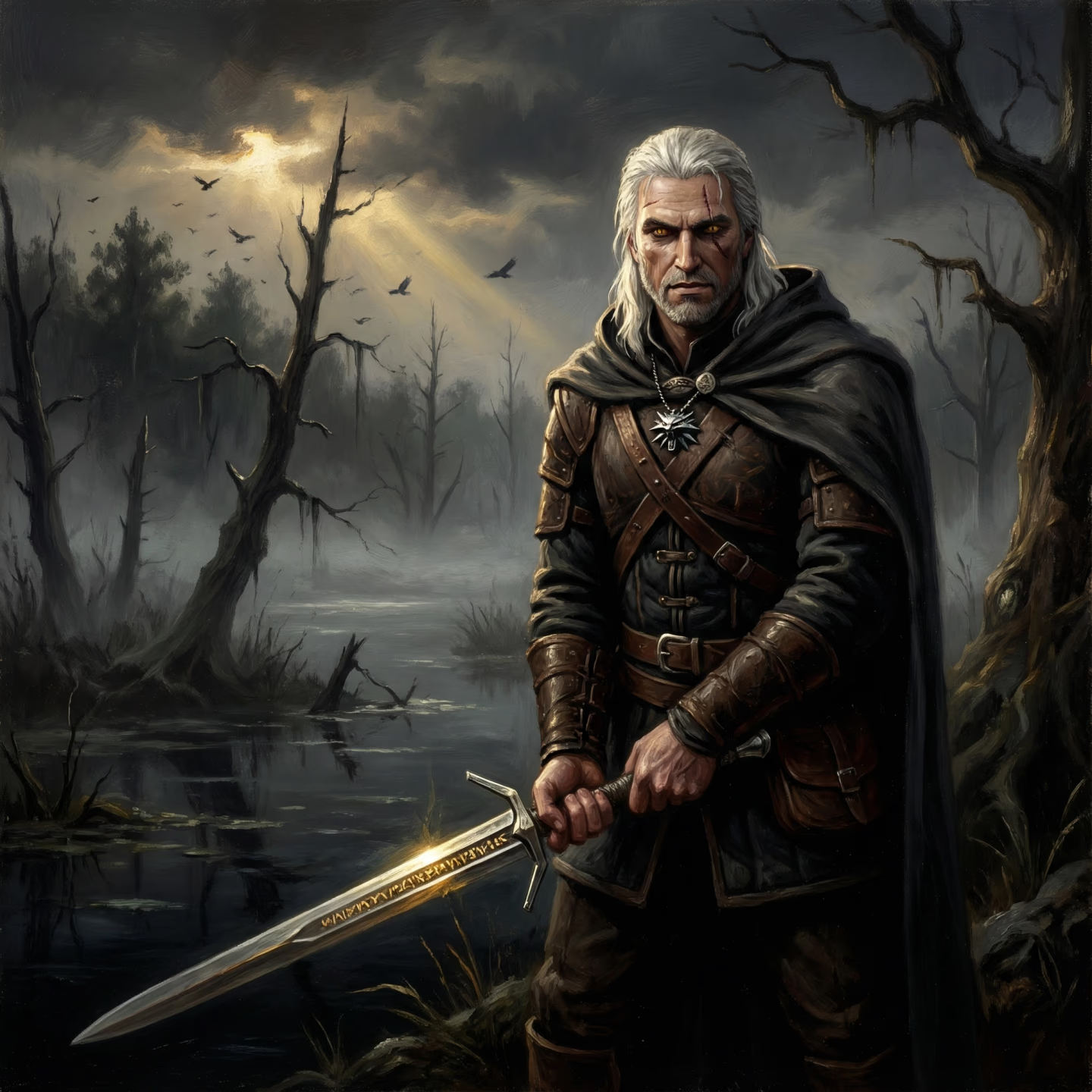
The Witcher's Trade
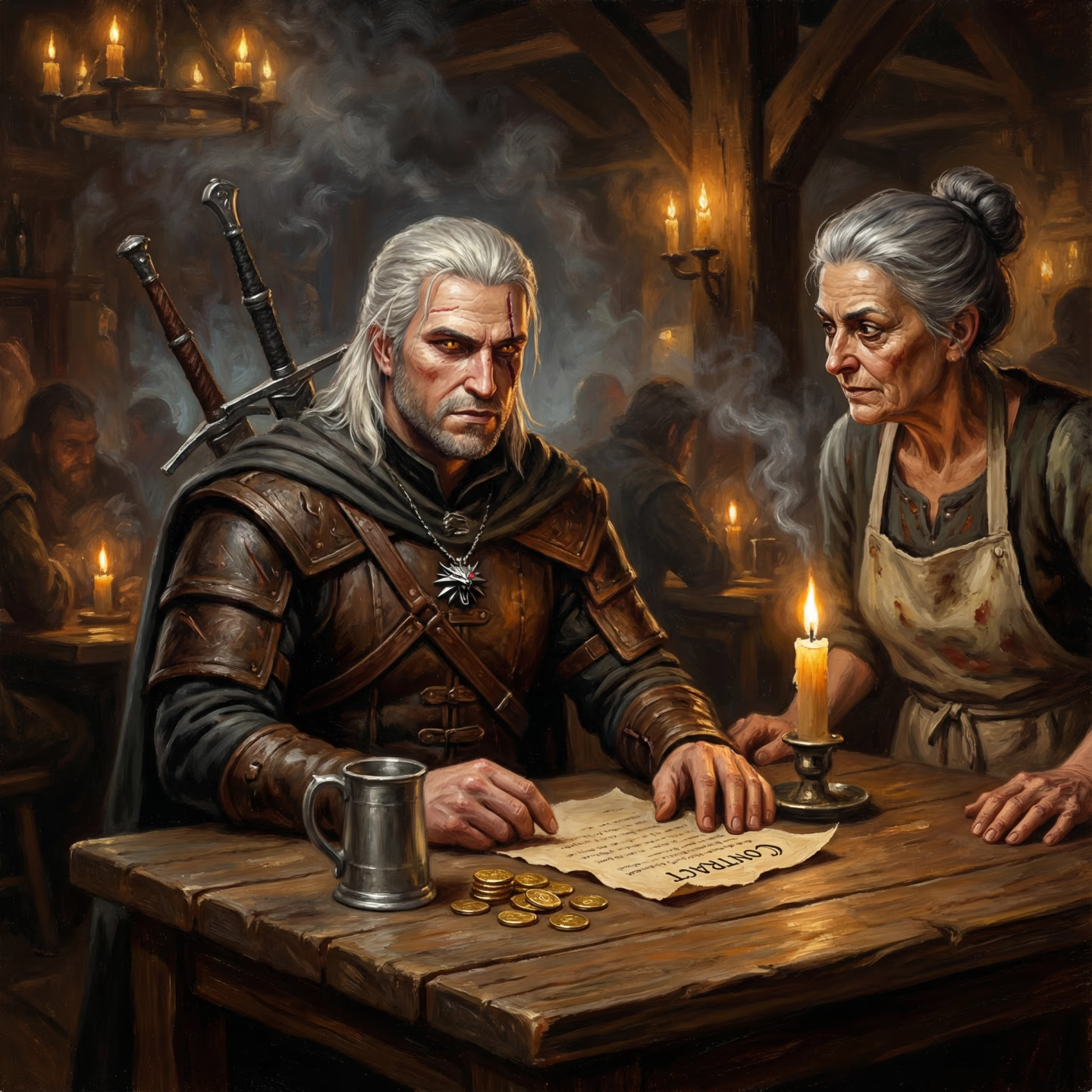
The Witcher's Trade
The notice says drowners at the mill. It doesn't mention what the miller fed them.
You are Geralt of Rivia—mutant, outcast, professional. The Pontar Valley is flush with work after a decade of war: ghoul-infested battlefields, curses triggered by mass death, creatures grown bold in the chaos between empires. Villages that once threw stones now post desperate notices. They'll pay. Eventually. Probably.
Each contract begins with investigation. Examine evidence. Interview witnesses—who lie about what they saw, or why they need the monster dead. Track your quarry through forest, ruin, and swamp. Prepare the right oils, the right signs, the right approach. The wrong preparation gets witchers killed. The right one makes impossible fights merely dangerous.
Then comes the choice: is the monster truly the problem, or just the symptom?
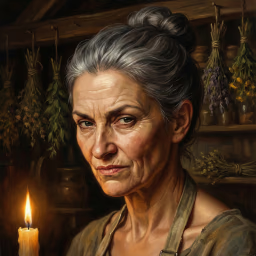
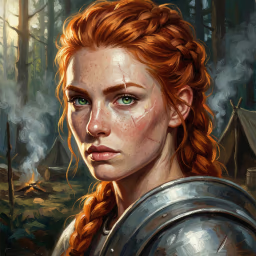
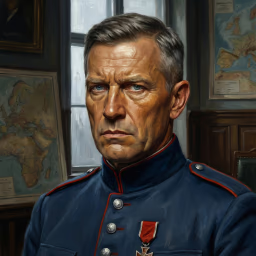
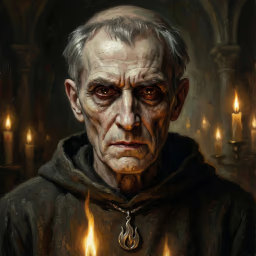
The work takes you across a region scarred by occupation and "liberation" alike. Yeva the herbalist trades valley secrets for coin and professional respect. Commander Strand hires witchers for problems the Redanian army can't handle quietly—and would sacrifice one without hesitation if politics required. Marya Rybak competes for the same contracts with nothing but stubbornness, violence, and two missing fingers. And Father Crow of the Eternal Fire watches, waiting for the day witchers become unnecessary enough to burn.
The structure is episodic: take a contract, investigate, resolve, collect payment, move on. But patterns emerge between jobs. Unusual monster activity. Old debts surfacing. The uncomfortable question of what a witcher does when the monsters are mostly gone and humans remain.
Reputation precedes you. Help a village and word spreads—so does expectation. Take the expedient path and the Valley remembers in darker form. You can be coldly professional, reluctantly heroic, or morally flexible. The world responds accordingly.
The next notice is already posted. The client is probably lying. The monster is probably real.
What you do about both has always been your choice.
Characters