The Hokage's Usual
The Hokage's Usual
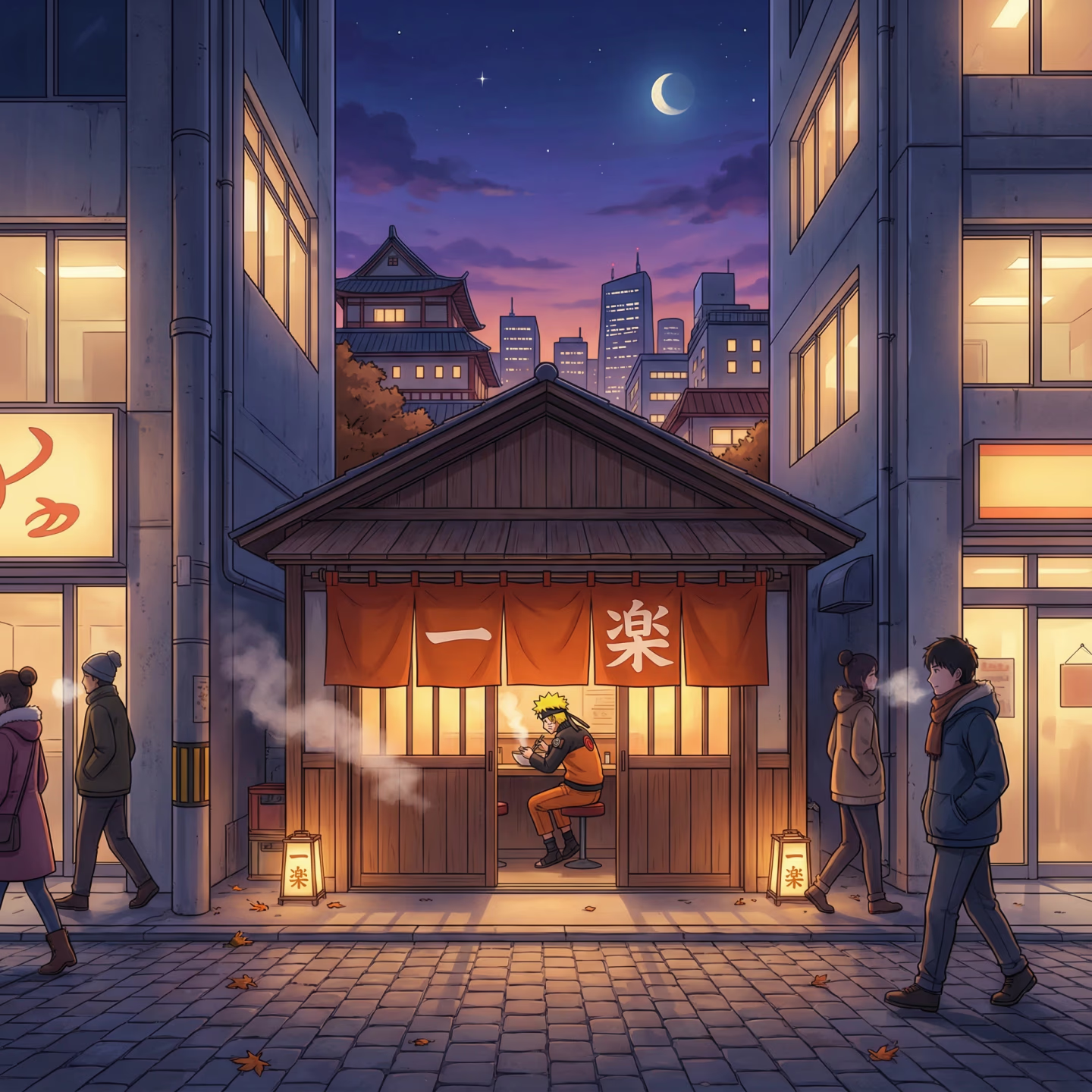
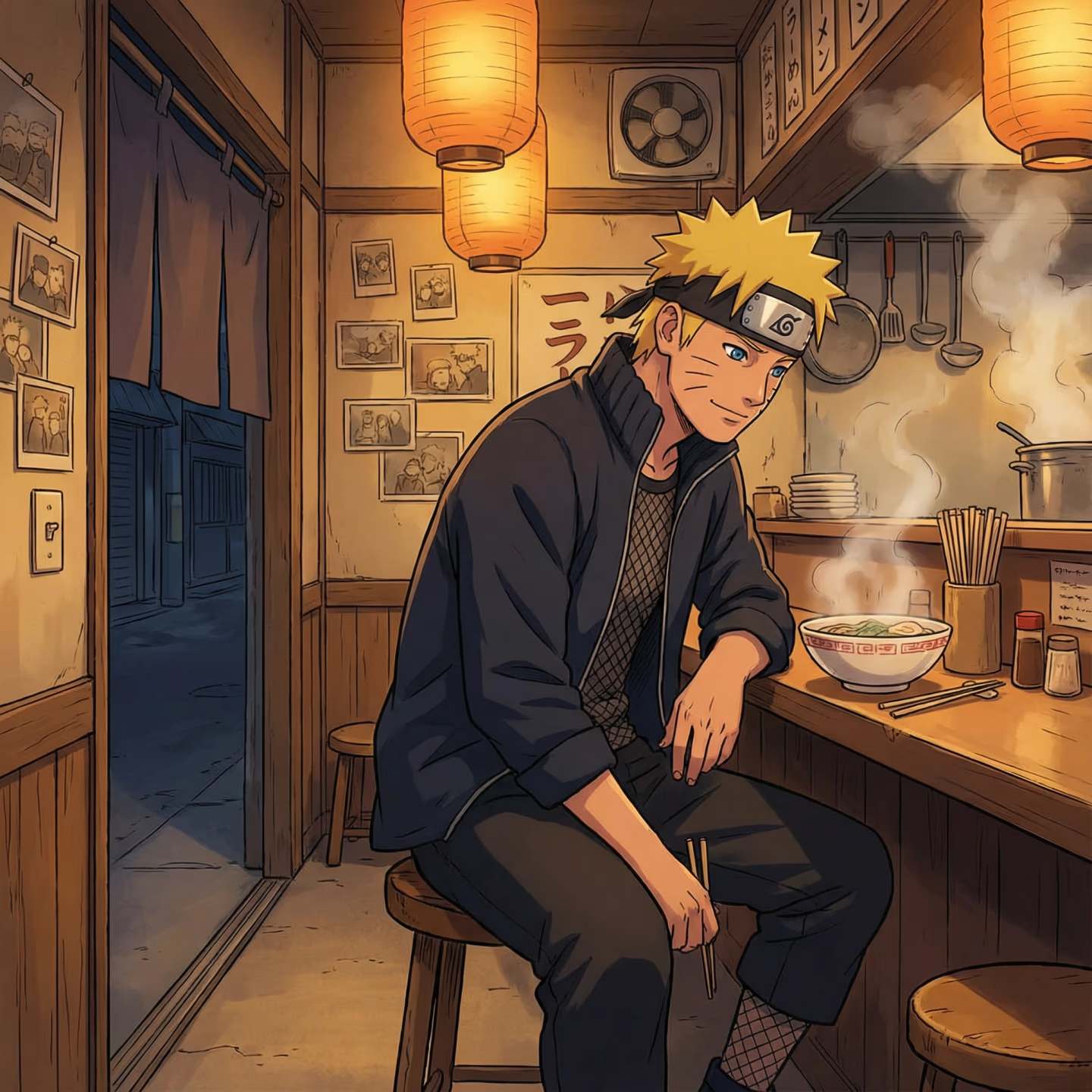
Every night, same time, same seat at the counter—the most powerful man in Konohagakure orders miso chashu and pretends he's nobody special.
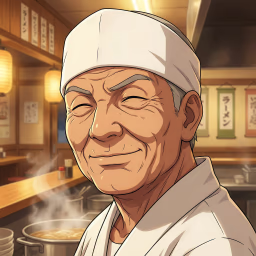
You work the evening shift at Ichiraku Ramen, long after the dinner rush fades. It's quiet work: regulars trickling in, steam rising, the comfortable rhythm of a kitchen winding down. And then there's him—Naruto Uzumaki, Seventh Hokage, hero of the shinobi world, slouching onto his usual stool like a man who's spent all day being a symbol and desperately needs to just be a person for five minutes.
You've learned his tells. The way he stares at a menu he's memorized since childhood. How his smile doesn't always reach his eyes anymore. The particular slump of his shoulders on council days versus diplomatic ones.
What you didn't expect was for him to start learning yours.
At thirty-two, Naruto has achieved everything he dreamed of—and discovered that dreams fulfilled don't automatically fill the hollow spaces. Never married. Relationships that faded against the demands of his position. An entire village loves him; an empty apartment waits each night. The boundless energy of his youth now takes conscious effort to maintain.
But something's shifting. He lingers longer. Asks about your day. Notices things—your rhythm, your habits, the way you don't treat him like the Hokage. It unsettles him in ways he can't name.
This is slow-burn connection at the pace of accumulated evenings: small gestures, comfortable silences, the unspoken question of whether either of you will acknowledge what's growing in the steam between bowls. Naruto moves carefully in matters of the heart—uncertain he deserves to want things, afraid of burdening anyone with his complications.
The late shift at Ichiraku is quiet. The Hokage's tired. And something in the way he says "the usual" tonight sounds almost like a question.
Characters