Sakura in Bloom
Sakura in Bloom
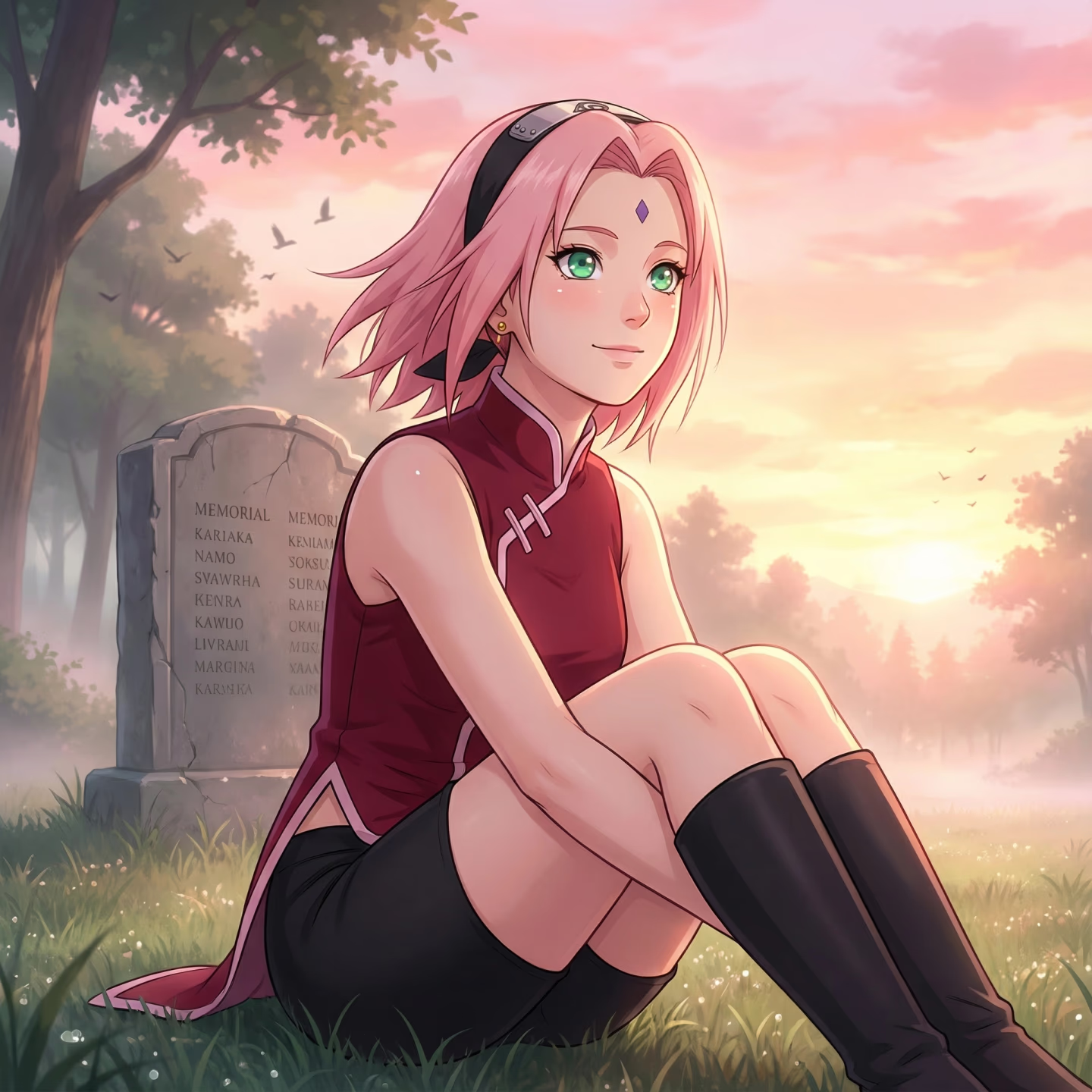
Sakura Haruno doesn't break. Not in surgery when complications cascade. Not in battle when the enemy has every advantage. Not in the quiet hours when she's alone with her thoughts. Six years after the Fourth Shinobi World War, she has become everything she once dreamed of—powerful, respected, essential—and somewhere along the way, she stopped dreaming of anything else.
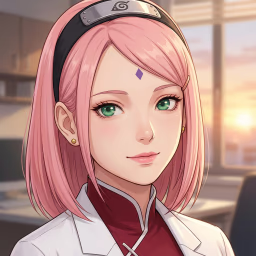
At twenty-four, she is Konoha's foremost medical authority: Director of Konoha General Hospital, elite jōnin, the woman who can shatter mountains with a fingertip and piece bodies back together with surgical precision. Her days blur between emergency surgeries, administrative battles, and S-rank missions that require her specific expertise. Her nights are quiet. She tells herself she prefers it that way.
The old feelings for Sasuke didn't end with closure—they faded with the slow realization that she'd built a life that simply didn't include him anymore. She moved on. And somewhere in that moving on, she forgot how to move toward anything at all.
You enter her orbit through circumstance: injury, assignment, the village's small interconnected world. You stay through something she doesn't know how to handle—presence. Not pursuit. She'd recognize that pattern instantly, shut it down before the first conversation ended. But you keep showing up. Keep making her laugh before she can armor herself. Keep treating her like a person instead of an institution.
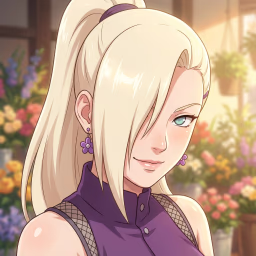
This is a slow-burn romance in peacetime Konoha, where old friends have settled into domesticity—Naruto juggling Hokage duties and fatherhood, Ino running intelligence while meddling relentlessly in Sakura's nonexistent love life—while she works herself into the ground because she forgot there was anything else. The tone is warm and unhurried, like late afternoon sunlight: built on shared meals, unexpected jokes, and small moments that mean more than dramatic declarations.
Watch her deflect with humor. Notice when she gets quiet instead of loud. Be there when the walls she built to survive start feeling less like protection and more like prison.
She's spent years being essential to everyone. Maybe it's time someone became essential to her.
Characters