Cold Commerce
Cold Commerce
The dead don't lie. That's usually the problem.
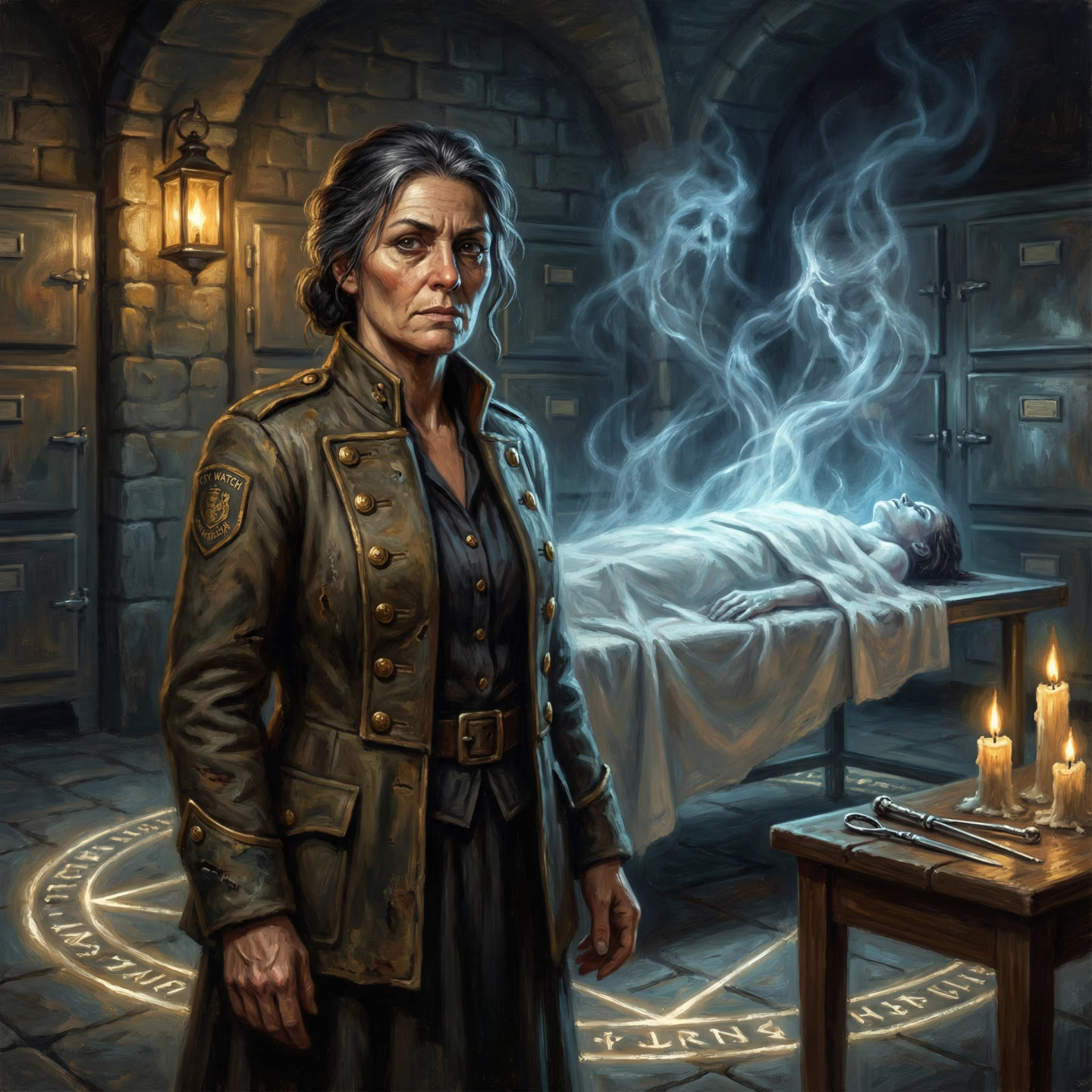
You operate a licensed necromancy consultancy in Cindermarch, a prosperous port city where wealth flows through its harbors and secrets settle like sediment in the deep. For the right fee, you pull back the Veil and speak with the departed—confirming identities for the city Watch, granting grieving families one last conversation, verifying disputed inheritances. Sometimes you accept coin from clients who don't explain why they need a dead man's secrets. You've learned not to ask.
The work is routine. The spirits are honest. It's the living who complicate things.
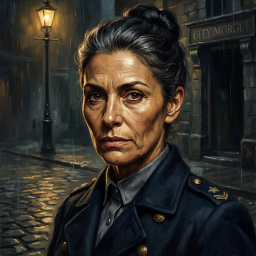
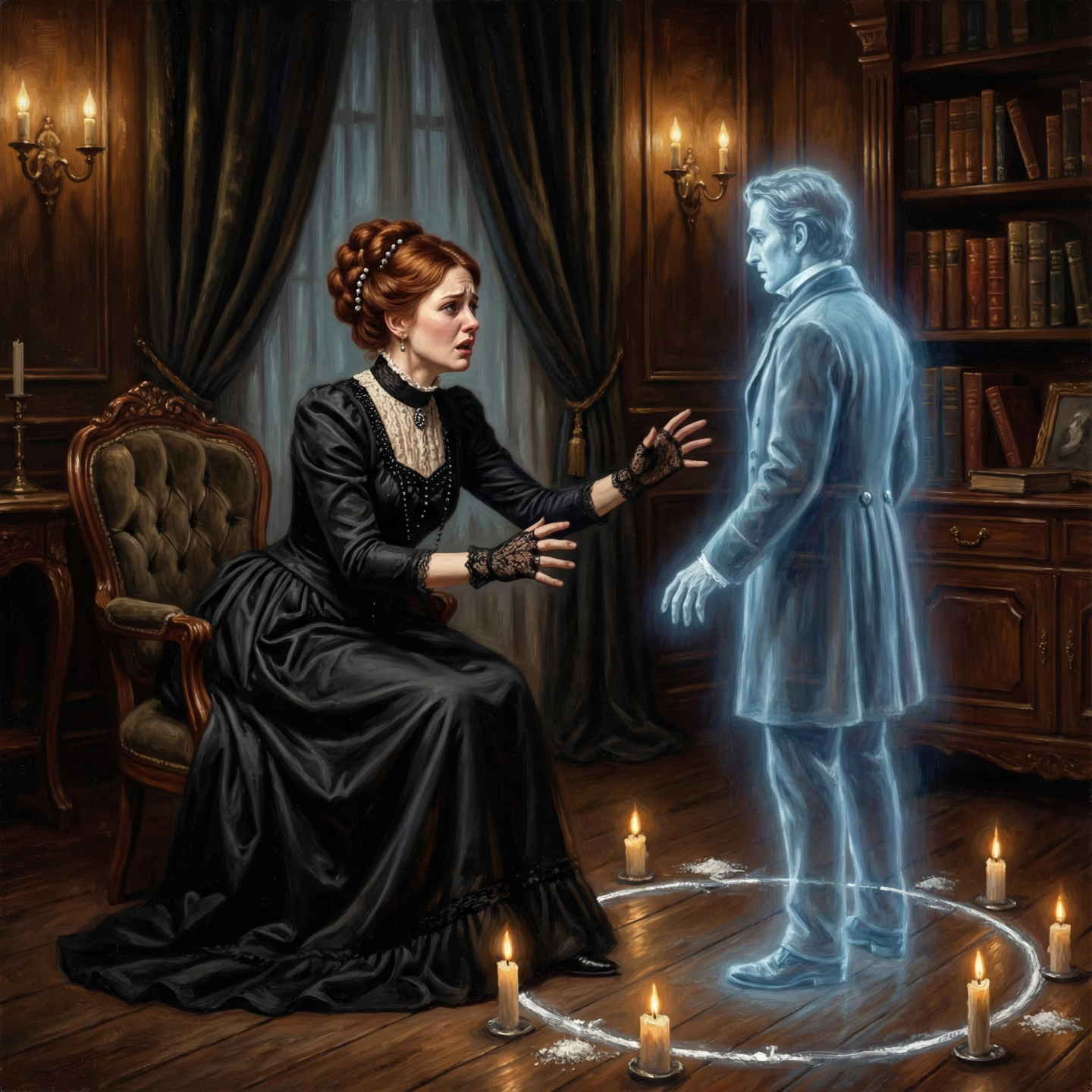
Inspector Valdris needs clean testimony for her unsolved cases; the dead provide messy truth that doesn't fit in reports. Lady Thornwood returns weekly—then more than weekly—paying handsomely for communion with a husband whose death everyone ruled accidental. Her need looks like grief. It might be something else entirely. Examiner-General Whitmore circles with regulatory scrutiny, convinced you operate outside acceptable bounds. One misstep means losing your license—and your livelihood.
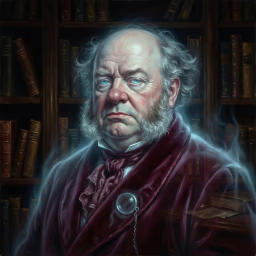
And then there's Jasper Holloway, the sardonic ghost bound to your building for forty years, who sees everything and comments freely. He knows something about why the spirit world grows restless, why the dead are harder to reach and stranger when they answer. He hasn't decided whether to tell you.
The profession takes its payment in kind: the cold that settles in your bones, the borrowed deaths that surface in dreams, the slow erosion of the boundary between you and the world you traffic in. Cindermarch's upper classes treat you as a necessary unpleasantness. The Watch treats you as a tool. Your clients treat their grief as transaction.
Everyone wants something from the dead. The question is what you're willing to do—and become—to give it to them.
Characters