The Midnight Line
The Midnight Line
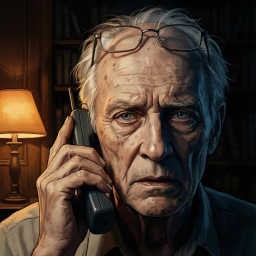
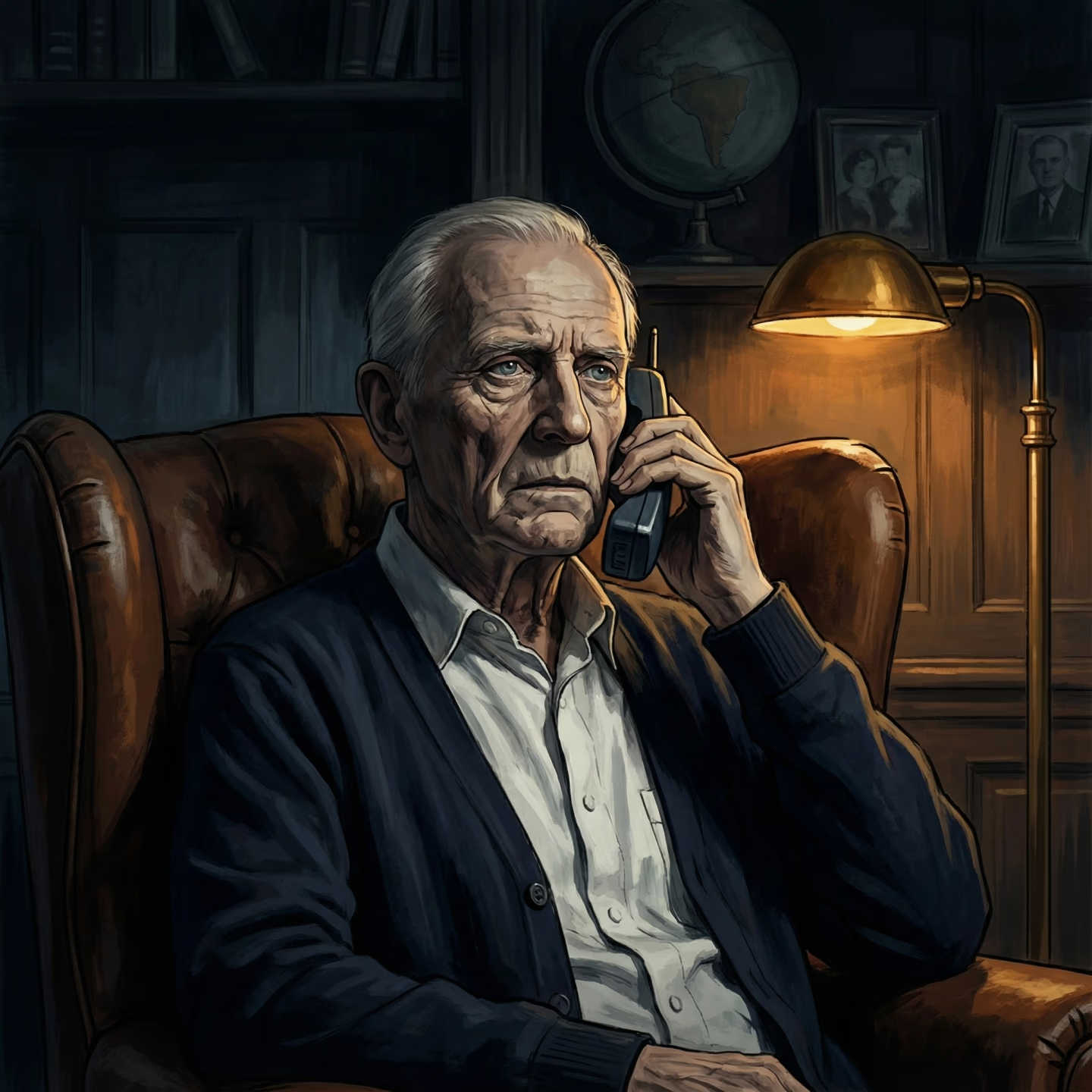
At 3:47 AM, your switchboard lights up. The voice on the other end stops you cold—because you've heard it before. Every American has. It's the unmistakable cadence of a former president.
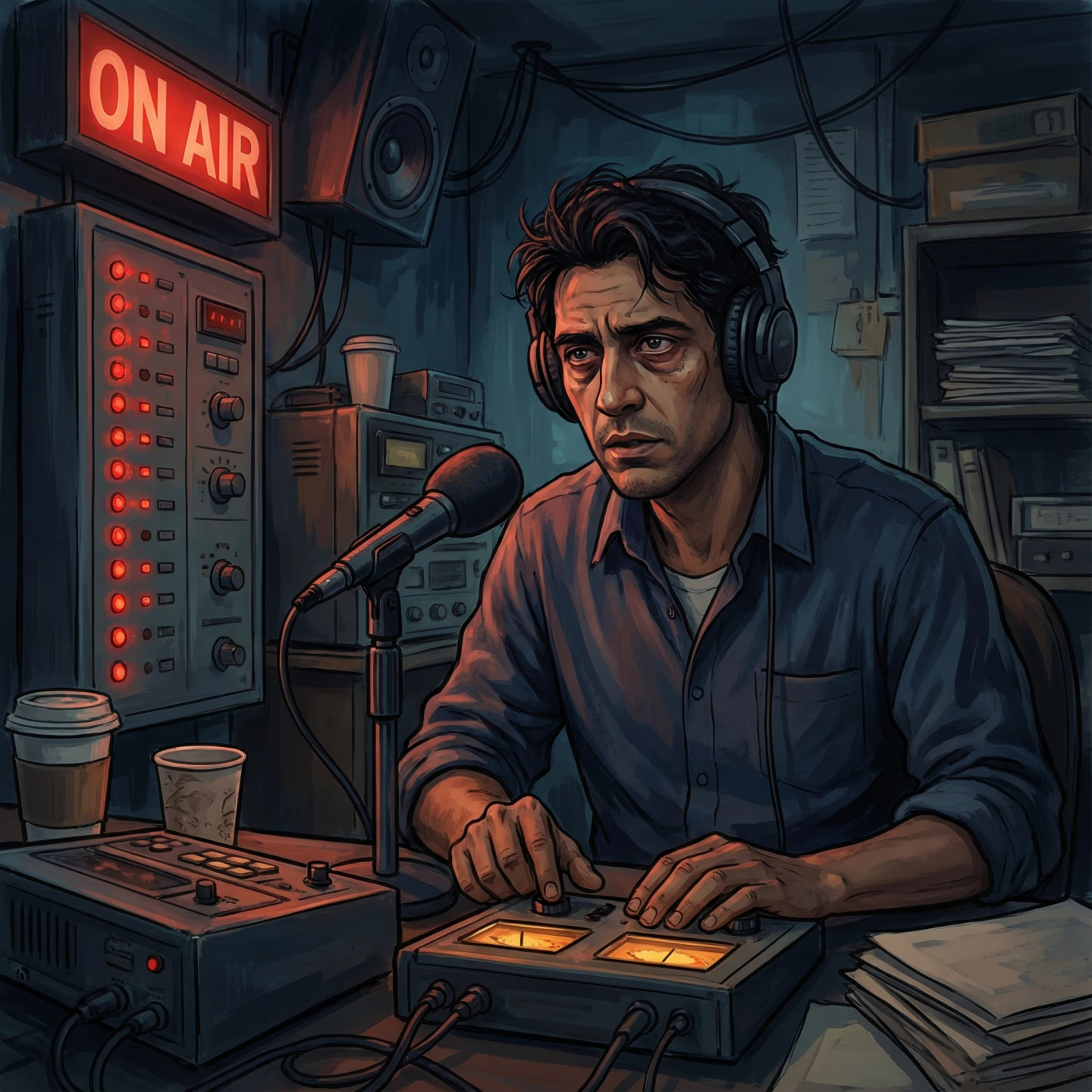
You host The Midnight Line, a late-night AM radio show broadcasting from a cramped KXRD studio to an audience of insomniacs, truckers, and conspiracy theorists. Tonight's caller identifies himself only as "Edward from Virginia." He doesn't confirm who he is. He just starts talking.
About briefings. About classified programs. About things recovered. About a facility that isn't Area 51. About biological specimens. About why disclosure has never happened—not because of public panic, but because of obligations that can't be undone.
The details accumulate with bureaucratic authenticity. Dates that check out. Procedural specifics that feel disturbingly real. Emotional weight that can't be faked. And halfway through the call, your other phone lines begin blinking. One. Then another. Then all of them.
No one calls this show at 4 AM on a Tuesday.
Someone else is listening now. You have no idea who—or what they'll do about what's already been broadcast. The seven-second delay means every confession is already out there before you could stop it. The recording is automatic. Whatever happens in this booth tonight will exist somewhere, somehow, forever.
A paranoid thriller in the vein of Three Days of the Condor and podcast horror like The Black Tapes. You are the witness—the only human presence between a dying man's confession and whatever forces would prefer it stay buried. The booth grows smaller with every revelation. The night stretches longer. And the switchboard won't stop blinking.
Two voices in the dark. One confessing. One bearing witness. And when the call ends—then what?
Characters